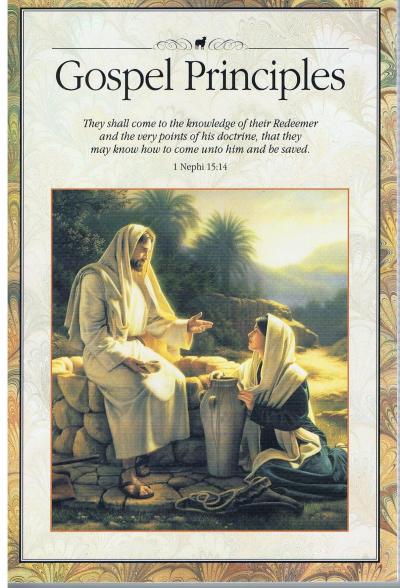
Our friends at Mormonism Research Ministry have put together an exposition of some of the notable changes made to the Gospel Principles manual between 1978 and 2009.
"The study [IRR] posted was excellent! I read thru and was amazed. By far the best analysis of LDS priesthood vs. what the Bible says about Priesthood. Jesus truly is the Great High Priest, we have no need of any other!" - G.
A chapter-by-chapter look at the Mormon Church manual that is now being used by Latter-day Saints for Melchizedek Priesthood and Relief Society sessions around the world.
Mormons around the world are studying the newest edition (2009) of the LDS manual, Gospel Principles. This page provides links to the LDS manual as well as a chapter-by-chapter study guide for understanding the subjects covered in light of the Bible. It also features other resources that directly relate to the LDS Gospel Principles manual.
This study, in two parts, examines the final chapter of Gospel Principles and its teaching that men can become gods. Part One looks at the historical background to the LDS teaching on 'exaltation' and where it conflicts with LDS scriptures.
Part Two of this study looks at how LDS teaching on exaltation (and what it implies about the nature of God and man) matches up to what the Bible teaches.
In this study, we will examine what
chapter 46 of the LDS manual
Gospel Principles
teaches about the important subject of judgment, including
the LDS doctrines concerning the various possible eternal
destinations of human beings and how those relate to the
gospel of salvation.
In this study, we will put Joseph Smith’s teaching on
this subject in some theological context and examine the
LDS Church’s teaching on the Millennium in light of the
Bible.
In this study, we will examine two crucial claims
that the LDS Church makes about this Restoration. The
first is its claim that Joseph Smith’s ministry was that
of a prophet of God who prophesied about events
preceding the Second Coming of Christ. The second is its
claim that the Bible actually prophesied the LDS
Restoration.
In this study, we will examine the LDS Church’s teaching
about the “gathering” of Israel. It turns out that this
doctrine is directly tied up with its founding document:
the Book of Mormon.
Aspects of LDS doctrine about the
spirit world do not fit with the teachings of the Bible.
Some of the issues here may seem of interest only to
professional theologians, such as whether spirit is a
form of matter. However, when these seemingly academic
issues are put into the larger perspective of the whole
belief system of the LDS religion, they turn out to be
of extreme importance.
In this study, we will examine
what the Bible teaches about temples and compare that
teaching with the LDS view of temples and of the ordinances
it performs in them. We will then take a close look
specifically at the practice of baptisms for the dead and
consider the claim that this practice is endorsed in 1
Corinthians 15:29.
Turning to chapter 38, which focuses specifically on
eternal marriage, we will address two questions. (A) Is
there any biblical basis or support for the doctrine of
eternal marriage? (B) What is the real origin of the Mormon
doctrine and practice of eternal marriage?
Mormons and evangelicals have considerable agreement about the family. Yet they also have some very significant differences in their beliefs about the family as it pertains to its relationship to heaven or eternity.
Evangelical Christians have some fundamental disagreements with the LDS view of salvation and works. Unfortunately, there is widespread misunderstanding (and not just among Mormons) as to what the evangelical view of works really is. The two chapters of Gospel Principles under discussion here provide an excellent opportunity to clarify this issue.
The complete Gospel Principles manual in various formats.
A complete list of all the chapters of the Gospel Principles Study Guide
Elohim and Jehovah (Yahweh) - if they are two separate Gods, as the Mormon Church teaches, why are these two Hebrew words used interchangeably throughout the Old Testament and why are they used together to refer to the same Supreme Being?
The answer may surprise you. Here's a complete list that you can read on screen, store to your hard drive, or print out.